
Global Industry: Steel Production and Consumption Trends Hub
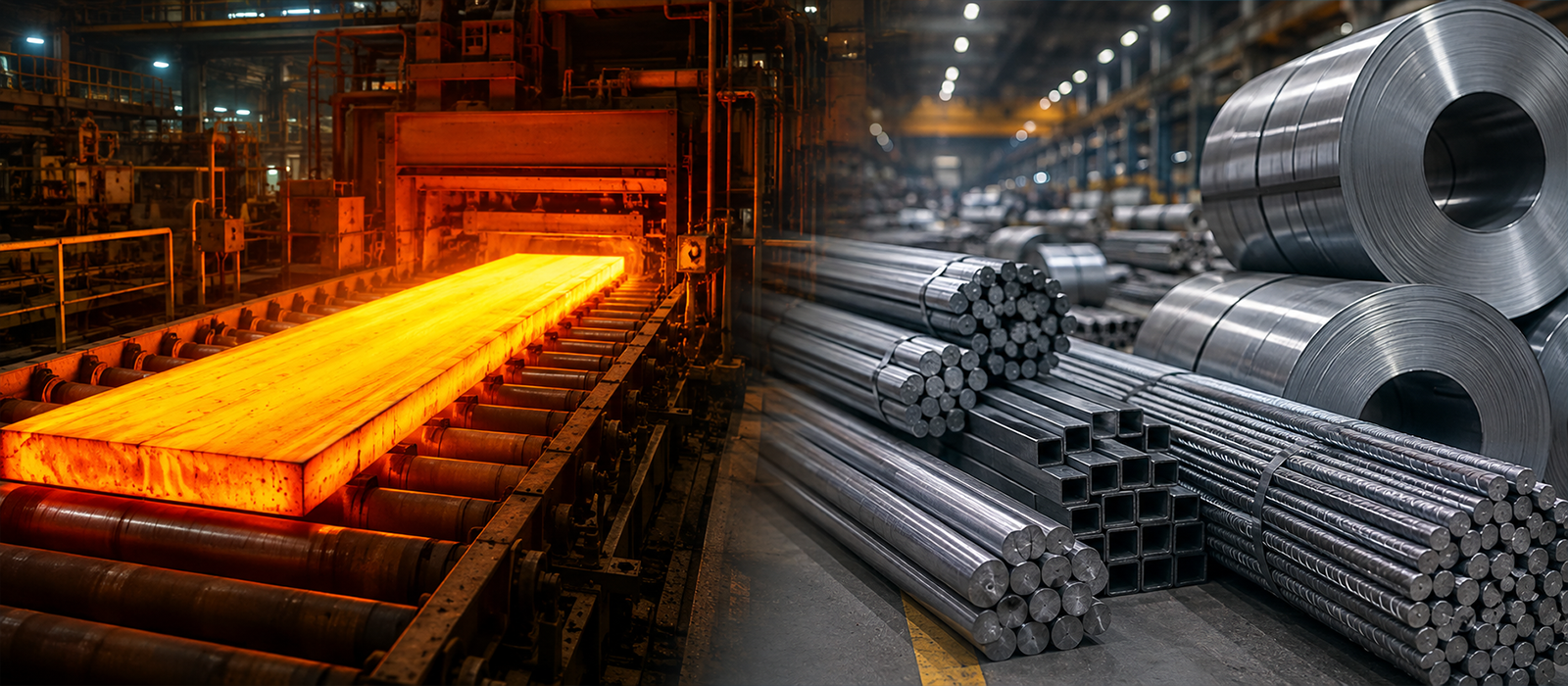
Steel is more than just a material—it’s the backbone of modern civilization. From skyscrapers and bridges to automobiles and household appliances, steel production and consumption reflect the pulse of industrial growth worldwide. At HD Industries, understanding these dynamics helps us deliver solutions that align with global demand and sustainability.
Steel Production: How It Works
Key Stages of Production
- Raw Material Processing: Iron ore and coal are prepared for smelting.
- Smelting & Refining: Furnaces convert raw materials into molten steel.
- Casting & Rolling: Steel is shaped into slabs, sheets, or bars.
- Finishing: Products are treated for strength, durability, and corrosion resistance.
Modern production emphasizes energy efficiency and recycling, reducing environmental
impact while meeting industrial needs.
Steel Consumption: Where It Goes
Major Consumers
- Construction: Skyscrapers, bridges, and infrastructure projects.
- Automotive: Cars, trucks, and heavy vehicles.
- Manufacturing: Machinery, tools, and appliances.
- Energy: Pipelines, power plants, and renewable energy projects.
Emerging economies consume more steel as they expand infrastructure, while developed
nations focus on sustainable usage and recycling.
Global Trends in Steel
- Recycling Growth: Scrap steel is increasingly reused, reducing reliance on raw
materials. - Green Steel Initiatives: Companies invest in low‑carbon production methods.
- Rising Demand in Asia: Countries like China and India drive global consumption.
- Balanced Demand in the U.S. & Europe: Focus on high‑quality, sustainable steel
products.
Why HD Industries Stands Out
Conclusion
Steel production and consumption are at the heart of industrial progress. As demand continues to rise, companies like HD Industries play a vital role in shaping a sustainable future. With innovation and responsibility, steel remains the material that builds economies and connects communities.
Add a Comment