
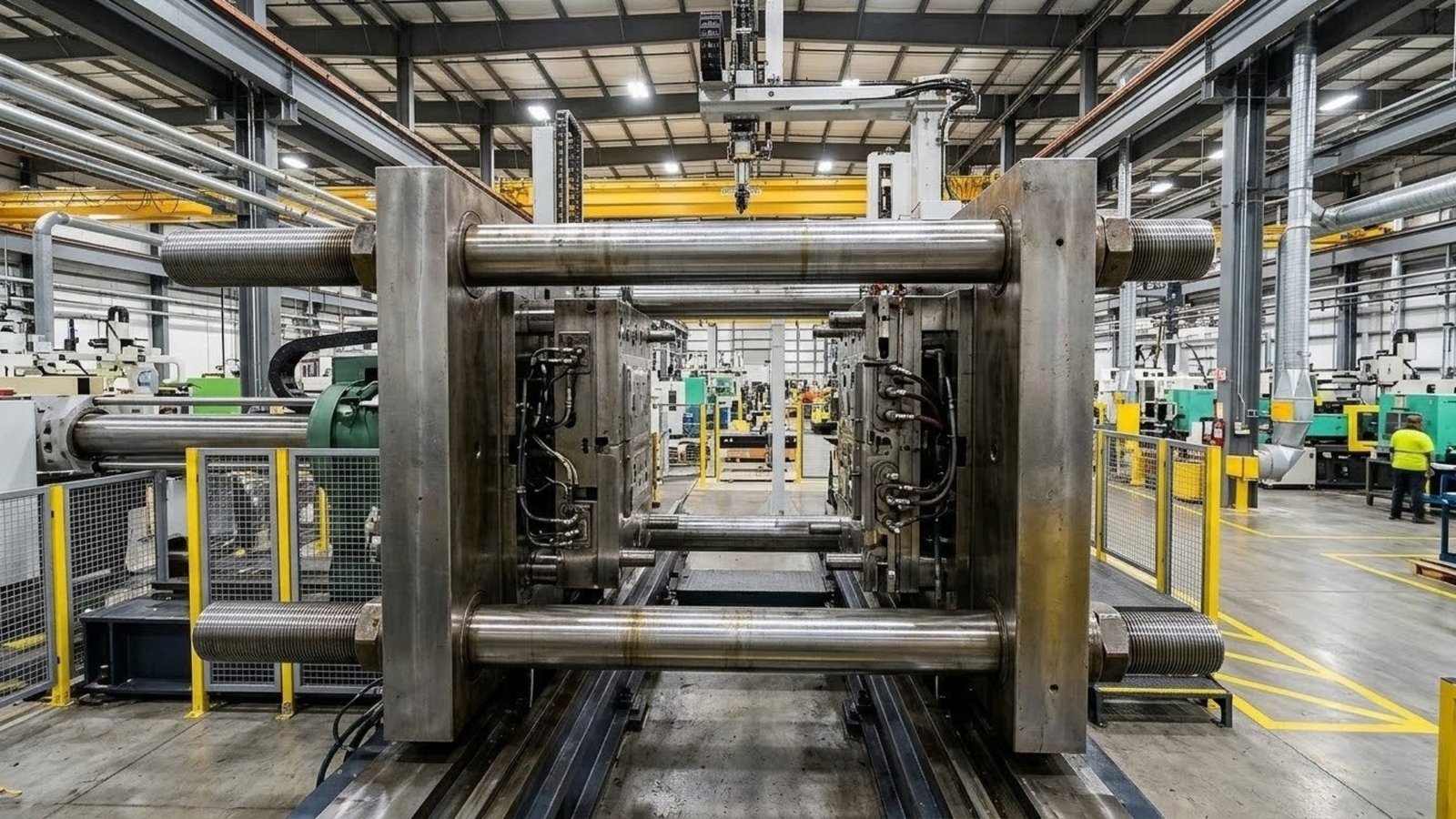
Tie Bars: Choosing the Right Steel Grade for Your Machine
Injection moulding tie bars are essential machine components that provide strength, stability and proper alignment during plastic manufacturing operations. Choosing the right tie bar steel grades, such as EN19, SAE4140, 42CrMo4 and EN24, helps improve tensile strength, fatigue resistance and long-term durability. HD Industries offers quality engineering steel solutions for industrial applications, helping manufacturers select suitable steel materials for reliable machine performance.
Introduction
Injection moulding machines work under considerable pressure during production. Every component needs to handle repeated loads without affecting the quality or consistency of the finished product. One such important component is the tie bar. Although it may look like a simple steel rod, it plays a major role in keeping the machine stable during the moulding process.
Choosing the right Injection Moulding Tie Bar is important because the wrong material or steel grade can lead to excessive wear, deformation and unexpected maintenance costs. So, what should manufacturers consider before selecting one? Let’s take a closer look at the materials, steel grades and important factors that can help you make the right choice.
What Is an Injection Moulding Tie Bar and Why Does It Matter?
Good-quality Industrial Tie Bars help maintain:
- Consistent clamping force during production.
- Proper alignment of the mould and machine platens.
- Better machine stability under heavy loads.
- Reduced chances of premature component failure.
Reliable performance during long production cycles.
This is why selecting suitable steel is just as important as choosing the correct dimensions.
Understanding Tie Bar Material Before Making a Choice
The Tie Bar Material has a direct impact on strength, durability and resistance to repeated stress. Not every steel grade is suitable for every injection moulding machine. The right option depends on the machine’s clamping capacity, operating conditions and expected production volume.
1. Tensile Strength
2. Fatigue Resistance
Injection moulding machines operate through repeated cycles. Over time, continuous loading and unloading can affect the material. Good fatigue resistance helps the tie bar maintain its performance over extended periods.
3. Toughness and Durability
A suitable material should offer a balance of strength and toughness. This helps the component withstand operating stresses without becoming unnecessarily brittle.
4. Machinability
The material should also be suitable for machining, finishing and any required heat treatment. Proper manufacturing processes help achieve the required dimensions and mechanical properties.
Which Tie Bar Steel Grades Should You Consider?
Here are some commonly used steel grades for demanding industrial applications.
EN19 / SAE4140 Steel
EN19 and SAE4140 are chromium-molybdenum alloy steels known for their strength and toughness. They are commonly considered for components that need good mechanical properties and resistance to demanding operating conditions.
They can be suitable choices for tie bar applications where strength, durability and appropriate heat treatment are important.
42CrMo4 Steel
42CrMo4 is another chromium-molybdenum alloy steel widely used in engineering applications. It offers a good combination of strength, toughness and fatigue resistance when processed correctly.
It is worth considering for heavy-duty machine components that experience repeated mechanical stress.
EN24 Steel
EN24 is a nickel-chromium-molybdenum alloy steel valued for its high strength and toughness. It is often selected for demanding engineering components where mechanical performance is a priority.
For larger or heavily loaded applications, its properties may make it a suitable option, depending on the required specifications.
The final choice should always be based on the required mechanical properties, material certification and manufacturing conditions rather than the grade name alone.
5 Important Factors to Check Before Selecting an Injection Moulding Tie Bar
- Machine Clamping Capacity
Start by checking the clamping force of your injection moulding machine. Machines with higher clamping capacities may require tie bars with greater load-bearing capabilities. - Required Dimensions
Diameter, length, thread specifications and dimensional tolerances all matter. Even a strong material may not perform properly if the dimensions are incorrect. - Operating Conditions
Consider how frequently the machine operates and the type of production environment. Continuous production puts different demands on components compared with occasional machine use. - Heat Treatment Requirements
Heat treatment can improve the mechanical properties of steel. However, the process needs to be selected according to the material grade and application requirements. - Supplier Quality
Always work with a reliable steel supplier who can provide material specifications, quality documentation and consistent manufacturing standards.
Why Quality Industrial Tie Bars Matter for Machine Performance
Using properly manufactured Industrial Tie Bars can make a noticeable difference to the reliability of an injection moulding machine.
Poor-quality or incorrectly specified tie bars may contribute to uneven loading, alignment problems and premature wear. These issues can eventually result in production interruptions and additional maintenance expenses.
On the other hand, choosing the correct Tie Bar Material and suitable steel grade helps support consistent machine operation. It also allows manufacturers to get better long-term value from their equipment.
At HD Industries, selecting suitable engineering steel for demanding industrial applications starts with understanding the actual requirements of the component. Material grade, dimensions and mechanical properties should always work together to deliver the required performance.
FAQs
1. What is an Injection Moulding Tie Bar used for?
2. Which steel is commonly used for injection moulding tie bars?
Commonly considered options include EN19, SAE4140, 42CrMo4 and EN24. The right choice depends on the machine’s load requirements and the required mechanical properties.
Add a Comment