
EN24 Alloy Steel: Heavy Machinery Uses | HD Industries India
Introduction
Heavy-duty machinery needs materials that can handle pressure, continuous operation, and demanding working conditions. Choosing the right steel is important because even a small weakness in a component can affect the performance and reliability of an entire machine. This is where EN24 Alloy Steel becomes a popular choice in engineering and industrial manufacturing.
Known for its high tensile strength, toughness, and good wear resistance, EN24 is widely used to manufacture components that require dependable mechanical performance. From industrial machinery to automotive and heavy engineering equipment, this alloy steel offers a useful balance of strength and durability.
In this article, we will explore its properties, available forms, and common industrial applications.
What Is EN24 Alloy Steel?
Understanding EN24 Steel Properties
One of the main reasons manufacturers choose this grade is its combination of mechanical strength and toughness. Understanding EN24 Steel Properties helps engineers decide whether it is suitable for their specific requirements.
1. High Tensile Strength
EN24 offers high tensile strength, particularly in the quenched and tempered condition. This allows components to withstand significant pulling forces and mechanical loads without easily deforming.
2. Excellent Toughness
3. Good Wear Resistance
When correctly heat treated and finished, EN24 offers useful wear resistance. This makes it a practical option for machinery parts that experience regular friction and contact with other components.
4. Improved Hardenability
The alloying elements help EN24 achieve a suitable hardness and strength through heat treatment. This is particularly useful when manufacturing larger engineering components that require consistent mechanical performance.
5. Machinability
EN24 Steel Bar: A Reliable Choice for Engineering Components
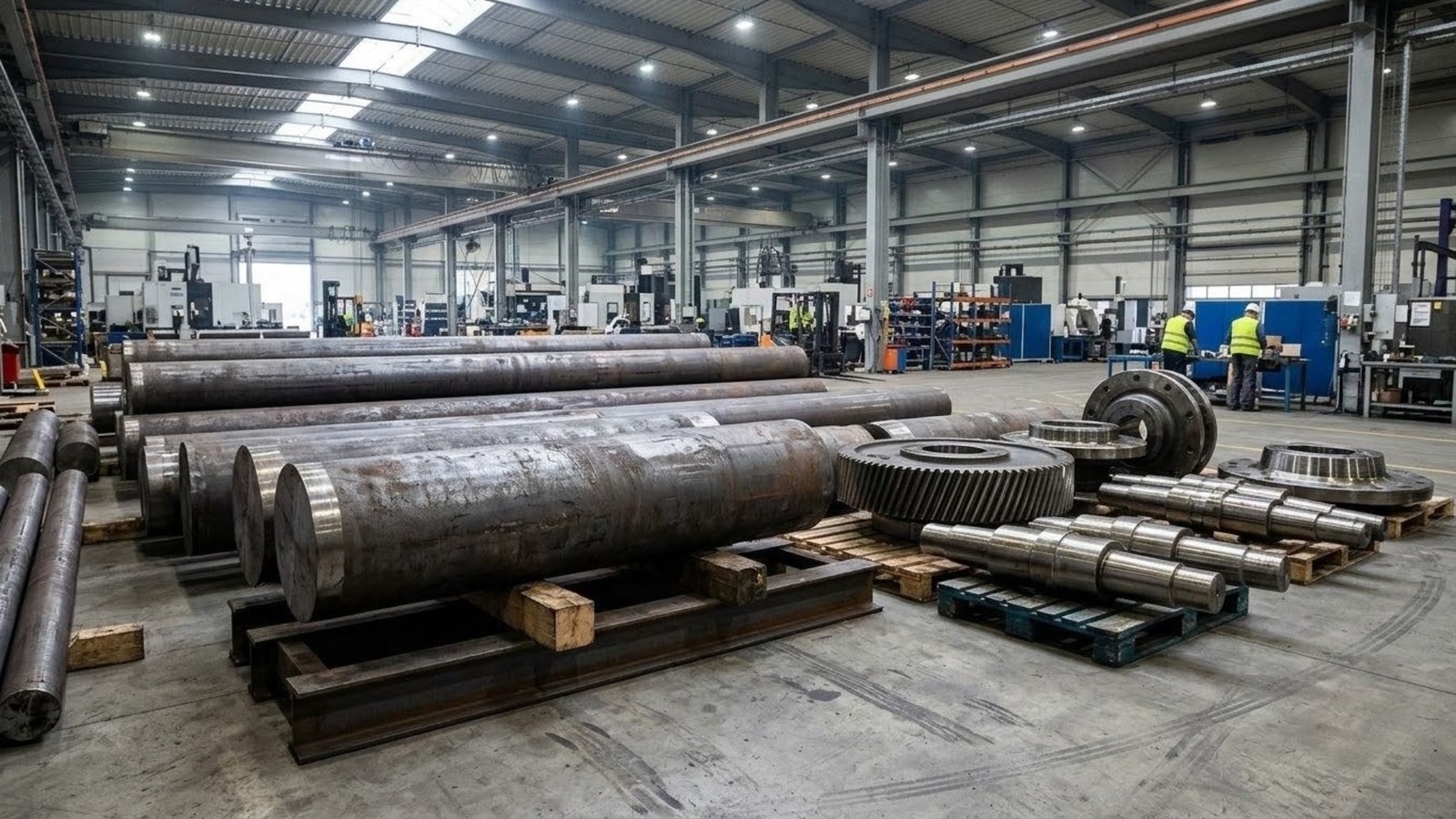
An EN24 Steel Bar is commonly used in the manufacturing of heavy-duty engineering parts. These bars are available in different shapes and sizes depending on the requirements of the project.
Manufacturers often prefer EN24 bars because they can be machined into complex components while maintaining the required strength and durability.
SAE 4140 Steel Applications Across Different Industries
Due to its strength and versatility, SAE 4140 is used in several industrial sectors. Its ability to perform under high stress makes it suitable for manufacturing components that require reliability and long service life.
Some common SAE 4140 Steel Applications include:
Common Forms of EN24 Steel Bars
- Round Bars: Used for shafts, pins, axles, and other rotating components.
- Square Bars: Suitable for machining and manufacturing specialised engineering parts.
- Flat Bars: Used in structural and industrial engineering applications where specific dimensions are required.
Selecting the correct bar size and heat-treatment condition is important for achieving the desired performance. Buyers should also check material test certificates and confirm that the supplied grade meets the required specifications.
EN24 Steel Applications in Heavy-Duty Machinery
The combination of strength, toughness, and hardenability makes EN24 suitable for several industrial sectors. Its versatility allows manufacturers to use it in components that operate under demanding mechanical conditions.
Here are some common EN24 Steel Applications:
1. Automotive Industry
EN24 is used in selected automotive engineering components, including high-strength shafts, axles, and gears. These parts need to withstand continuous movement, friction, and mechanical stress.
2. Heavy Engineering Machinery
3. Oil and Gas Industry
4. Industrial Manufacturing Equipment
Manufacturing equipment relies on durable components to maintain smooth operations. EN24 can be used in machine parts such as gears, pins, and other precision-engineered components.
5. General Mechanical Engineering
EN24 is also used in various mechanical engineering applications where components need to withstand repeated stress and demanding working conditions.
Why Choose EN24 Alloy Steel for Industrial Requirements?
Its high strength makes it suitable for load-bearing components, while its toughness helps it handle demanding mechanical conditions. Its response to heat treatment also allows manufacturers to achieve different mechanical property requirements.
However, the correct grade, dimensions, heat-treatment condition, and machining process should always be considered before selecting the material. Working with a reliable steel supplier also helps ensure consistent material quality and proper documentation.
FAQs
1. What is EN24 Alloy Steel used for?
2. What are the main EN24 Steel Properties?
3. What is an EN24 Steel Bar?
4. Is EN24 suitable for heavy-duty machinery?
5. Is EN24 steel suitable for heat treatment?
6. What industries commonly use EN24 steel?
Conclusion
When it comes to manufacturing components for demanding industrial environments, material selection plays an important role. EN24 Alloy Steel offers a useful combination of tensile strength, toughness, hardenability, and wear resistance, making it a preferred option for several heavy engineering applications.
Whether you require an EN24 Steel Bar for machining shafts or other specialised machinery components, understanding the EN24 Steel Properties and its suitable applications can help you make a better purchasing decision.
HD Industries focuses on industrial steel products and material solutions for engineering requirements. Choosing the right steel grade for your project is an important step towards achieving reliable and consistent performance.
Add a Comment