
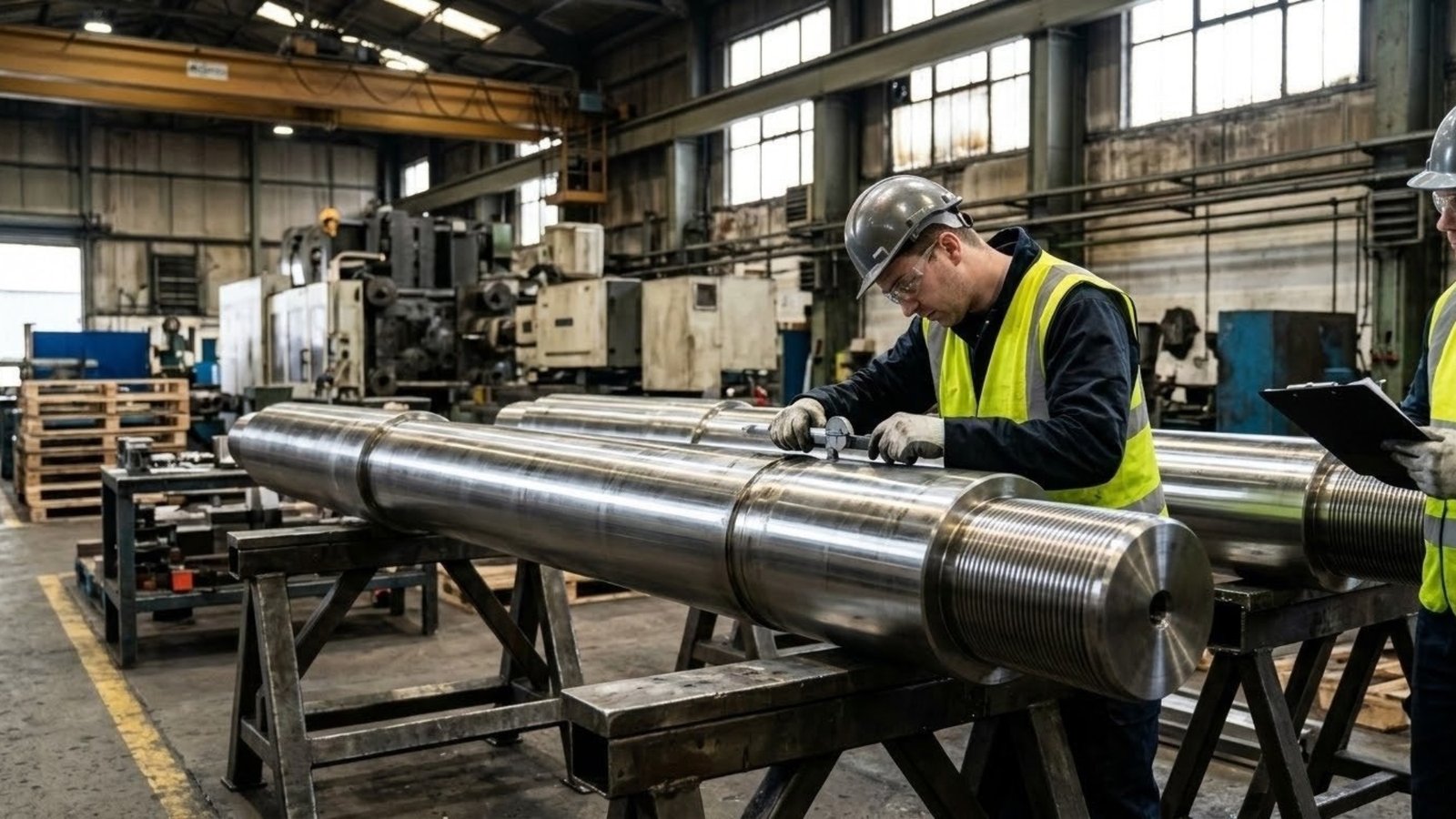
EN19 Steel for Injection Moulding Tie Bars | HD Industries
Tie Bars: Choosing the Right Steel Grade for Your Machine
Injection moulding tie bars are essential machine components that provide strength, stability and proper alignment during plastic manufacturing operations. Choosing the right tie bar steel grades, such as EN19, SAE4140, 42CrMo4 and EN24, helps improve tensile strength, fatigue resistance and long-term durability. HD Industries offers quality engineering steel solutions for industrial applications, helping manufacturers select suitable steel materials for reliable machine performance.
Introduction
Injection moulding machines work under considerable pressure during the manufacturing process. Every component must be strong enough to handle repeated loads without losing its shape or performance. One such important component is the tie bar, which helps maintain the required clamping force and keeps the moulding unit properly aligned.
Choosing the right material for tie bars can make a noticeable difference to machine performance, reliability and service life. This is where EN19 Steel becomes a suitable choice. Known for its strength, toughness and wear resistance, EN19 is widely used in engineering applications where components need to withstand heavy mechanical stress.
In this blog, we will explore the EN19 Steel Properties, its advantages for injection moulding tie bars and why manufacturers consider this material for demanding industrial applications.
What Is EN19 Steel?
Understanding EN19 Steel Properties
Here are some of its important characteristics:
1. High Tensile Strength
2. Good Toughness
3. Wear and Fatigue Resistance
4. Heat Treatment Response
One of the advantages of EN19 Alloy Steel is its response to heat treatment. Quenching and tempering can improve its strength, hardness and toughness according to the requirements of the application.
Its final mechanical properties depend on the heat treatment process, component size and manufacturing conditions.
Why Is EN19 Steel Used for Injection Moulding Tie Bars?
Tie bars play an important role in maintaining the structural stability of an injection moulding machine. They connect the fixed and moving platens while helping distribute the clamping force during mould closure.
A material that cannot handle repeated stress may eventually develop cracks, deformation or fatigue-related problems.
Here is why EN19 Steel is considered for tie bar manufacturing.
1. Handles Repeated Mechanical Loads
Injection moulding machines operate through repeated opening and closing cycles. EN19 steel offers the strength required to withstand these recurring mechanical loads when correctly selected and heat-treated.
2. Supports Machine Stability
3. Offers Long-Term Reliability
Unexpected tie bar failure can result in machine downtime and additional maintenance costs. Selecting a suitable grade of steel, along with proper heat treatment and machining, can help improve component reliability and service life.
4. Suitable for Heavy-Duty Applications
EN19 Steel Applications in Industrial Manufacturing
Apart from injection moulding tie bars, EN19 Steel Applications cover several areas of engineering and industrial manufacturing.
Some common applications include:
- Injection Moulding Tie Bars: Used in machine assemblies that require high tensile strength and resistance to repeated loading.
- Industrial Shafts: Suitable for shafts exposed to mechanical stress and rotational loads.
- Gears and Pinions: Used in power transmission components requiring strength and toughness.
Heavy-Duty Bolts and Studs: Suitable for fasteners designed to handle demanding mechanical conditions. - Automotive Components: Used in selected automotive parts that require good mechanical strength and wear performance.
- Engineering Machine Parts: Suitable for manufacturing various components used in industrial machinery.
The exact suitability of EN19 depends on the component design, operating conditions and required mechanical properties.
EN19 Steel vs Other Engineering Steel Grades
When selecting steel for injection moulding tie bars, manufacturers may also consider grades such as EN24 and SAE 4140.
EN19 is commonly compared with SAE 4140 because both are chromium-molybdenum alloy steels with similar characteristics. EN24, on the other hand, is a nickel-chromium-molybdenum alloy steel and is often selected where higher strength and toughness requirements are involved.
The final choice should depend on the machine specifications, load requirements, heat treatment condition and manufacturing budget.
Why Choose the Right EN19 Steel Supplier?
Even a good steel grade may not deliver the expected performance if the material quality is inconsistent. For industrial applications, it is important to source steel from a supplier that understands material specifications and quality requirements.
At HD Industries, material selection and quality are important considerations for industrial steel requirements. When sourcing EN19 Steel, manufacturers should look for consistent material quality, suitable dimensions and relevant material test certificates.
Choosing the right steel grade and supplier can help manufacturers produce reliable components that meet the demands of modern industrial machinery.
FAQs
1. What is EN19 steel used for?
EN19 steel is used for manufacturing shafts, gears, heavy-duty bolts, machine components and injection moulding tie bars. Its strength and toughness make it suitable for demanding engineering applications.
2. Is EN19 steel suitable for injection moulding tie bars?
3. What are the main EN19 Steel Properties?
4. Is EN19 steel the same as EN24?
5. Is EN19 steel equivalent to SAE 4140?
6. Can EN19 steel be heat-treated?
Yes. EN19 steel responds well to heat treatment. Quenching and tempering are commonly used to achieve the required combination of hardness, strength and toughness.
Conclusion
Selecting the right material is essential for manufacturing reliable injection moulding tie bars. With its combination of strength, toughness and fatigue performance, EN19 Steel is a practical option for components exposed to repeated mechanical loads.
Understanding the EN19 Steel Properties and choosing the correct heat treatment condition can help manufacturers achieve better component performance and long-term reliability. For industrial applications where material quality matters, working with an experienced steel supplier is equally important.
Add a Comment