
Case Hardening vs. Alloy Steel: Which is Best for Industrial Applications?

Case Hardening vs Alloy Steel | HD Industries Guide
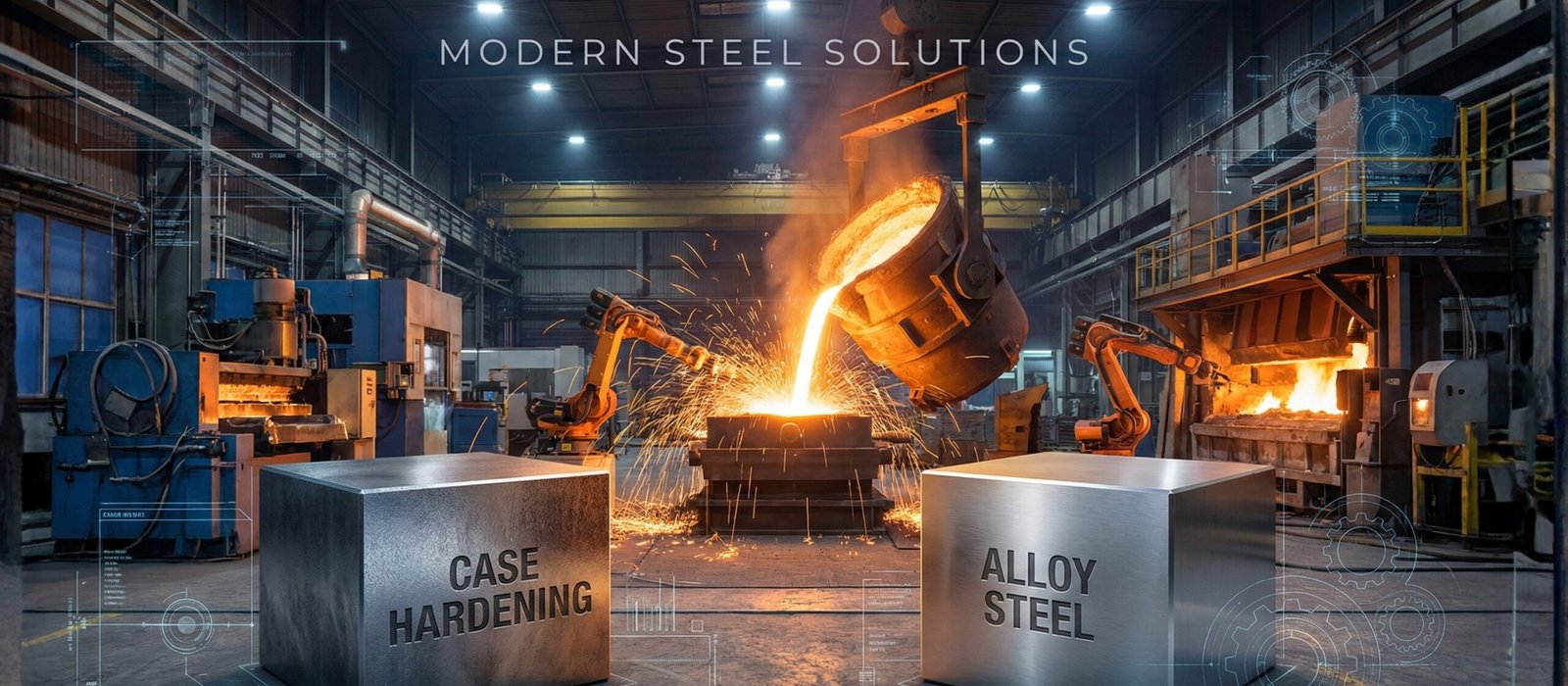
Case hardening vs alloy steel explained. HD Industries compares durability, applications, and supply solutions for industrial buyers across India.

alloy steel, alloy steel india, alloy steel mumbai, alloy steel hd industries, alloy steel suppliers, alloy steel distributors, alloy steel traders, alloy steel stockists, alloy steel exporters, alloy steel manufacturers, alloy steel grades, alloy steel applications, alloy steel industrial, alloy steel durability, alloy steel quality, alloy steel nationwide delivery, alloy steel en19, alloy steel en24, alloy steel en31, alloy steel en353, alloy steel sae8620, alloy steel 20mncr5, alloy steel 16mncr5, alloy steel d2, alloy steel d3, alloy steel o1, alloy steel k310, alloy steel h13, alloy steel db6, alloy steel din 1.2714, alloy steel p20, alloy steel p20+ni, alloy steel din 1.2311, alloy steel din 1.2738, alloy steel case hardening comparison, alloy steel cold work, alloy steel hot work, alloy steel plastic mould, alloy steel forging, alloy steel machining, alloy steel cutting, alloy steel hydraulics, alloy steel bearings, alloy steel tools, alloy steel automotive, alloy steel construction, alloy steel engineering, alloy steel manufacturing, alloy steel precision, alloy steel export, alloy steel wholesale, alloy steel bulk supply, alloy steel storage, alloy steel infrastructure, alloy steel industry insights, alloy steel blog, alloy steel hd industries blog, case hardening vs alloy steel, alloy steel vs case hardening, alloy steel industrial applications, alloy steel procurement, alloy steel supply chain, alloy steel logistics, alloy steel sourcing, alloy steel operations, alloy steel solutions

In industrial manufacturing, selecting the right steel grade directly impacts durability, efficiency, and long-term performance. Two commonly compared materials are case hardening steel and alloy steel. While both are widely used across industries, their mechanical properties and ideal applications differ significantly.

What is Case Hardening Steel?

Case hardening steel is typically a low-carbon steel that undergoes a heat treatment process to develop a hardened outer surface while maintaining a tough and ductile core. This dual property makes it highly effective in applications where surface wear resistance and internal strength are both required.

Industries commonly use case hardening steel for gears, shafts, bearings, automotive components, and heavy-duty machinery parts. The hardened outer layer resists abrasion and friction, while the softer inner core absorbs shocks and dynamic loads. This balance of hardness and toughness makes case hardening steel particularly suitable for parts exposed to repeated stress cycles.

What is Alloy Steel?

Alloy steel contains additional elements such as chromium, nickel, and molybdenum to enhance overall strength, corrosion resistance, and heat tolerance. Unlike case hardening steel, alloy steel provides uniform mechanical properties throughout the material rather than concentrating hardness only on the surface.

Alloy steel is widely used in structural components, pressure vessels, construction equipment, and oil & gas applications where high tensile strength and environmental resistance are essential.

Which is Better for Industrial Applications?

The choice between case hardening steel and alloy steel depends on operational requirements. If a component is exposed to constant friction and requires a highly wear-resistant surface with impact resistance, case hardening steel is often the better option. However, if the application demands overall strength, high temperature resistance, or structural integrity throughout the material, alloy steel may be more suitable.
At HD Industries, material selection is guided by application performance, industry standards, and lifecycle efficiency. By offering a wide range of specialized steel grades, including case hardening steel and alloy steel, the company ensures manufacturers receive solutions tailored to their industrial needs.
Tags: No tags

Add a Comment

Your email address will not be published. Required fields are marked *